

When Gentle Parenting Isn’t Enough for Autistic Kids — Especially at Puberty
I want to say something that might feel uncomfortable.
Gentle parenting is not wrong.
But with autistic kids — especially those with asymmetrical development, sticky attention, and rigid thinking — it is often incomplete.
And when puberty hits a nervous system that hasn’t built frustration tolerance and self-regulation capacity, the mismatch becomes impossible to ignore.
Let’s talk about why.
First: What Gentle Parenting Gets Right
Gentle parenting protects dignity.
It reduces shame.
It keeps attachment intact.
It understands that behavior is communication.
It prioritizes co-regulation over control.
For autistic kids, that matters enormously.
Many of us grew up in systems that misunderstood our wiring and punished our nervous systems. So of course we want something different for our children.
That instinct is healthy.
But safety alone does not build adult capacity.
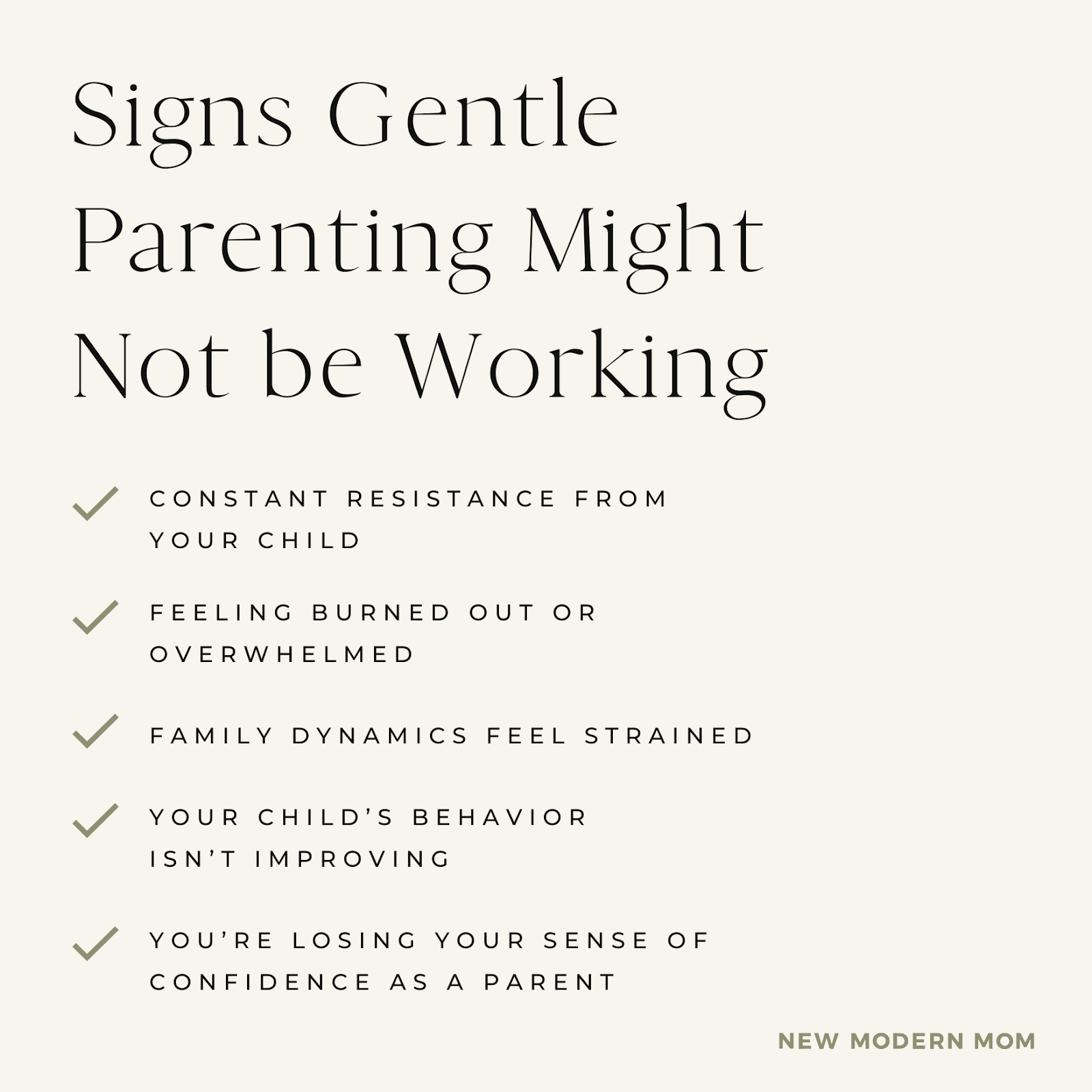
Gentle Parenting May Not Be Enough
It’s not a failure of the concept, it’s a mismatch of the adolescent nervous system when skills haven’t been taught pre-puberty.
The Developmental Reality of Asymmetry
Many autistic kids:
Sound older than they function
Reason well but cannot initiate
Understand expectations but cannot execute
Agree in conversation but cannot follow through
Their language age and executive age are not the same.
Gentle parenting often leans on collaborative language:
“What’s your plan?”
“When would you like to do it?”
“How can we solve this together?”
But collaboration requires:
Cognitive flexibility
Task initiation
Attention shifting
Emotional regulation under demand
If those systems are underdeveloped, collaboration turns into a loop.
You get beautiful conversations.
And no movement.
Sticky Attention Changes Everything
Some autistic kids don’t resist transitions because they’re oppositional.
They resist because shifting attention is neurologically expensive.
“Five more minutes” isn’t manipulation.
It’s an attempt to avoid the neurological cost of switching.
When we offer open-ended choice:
“After you finish.”
“In a little bit.”
“You decide when.”
…we may accidentally create infinite delay.
The nervous system will always choose the path of least activation.
If there is no clear structure, avoidance wins.
Rigid Thinking and the Negotiation Trap
Gentle parenting encourages discussion.
But some autistic kids experience:
More language = more demand
More options = more overwhelm
More negotiation = more pressure
They may argue not to dominate — but to preserve predictability.
And if every expectation is up for debate, the child learns:
“If I hold my position long enough, the demand disappears.”
That’s not a character flaw.
That’s reinforcement.
Then Puberty Arrives
And everything changes.
Hormones increase:
Emotional intensity
Sensory reactivity
Irritability
Impulsivity
Social comparison
Shame sensitivity
The nervous system becomes louder.
If frustration tolerance and self-regulation weren’t explicitly built in childhood, puberty amplifies the gap.
What used to be:
Stalling
Argument loops
Slow initiation
Can become:
Explosive refusal
Emotional flooding
Shutdowns that last for hours
Risk-taking
Social collapse
Deep self-criticism
This is not because your child is bad.
It’s because hormonal amplification is landing in a system that has not practiced:
Doing things while uncomfortable
Recovering from frustration
Starting without readiness
Completing under pressure
Tolerating “no”
Co-regulation becomes harder because:
You are no longer bigger than their body.
Their autonomy drive increases.
Their peer world expands.
And the strategies that relied on talking it through may no longer work.
Why This Becomes a Long-Term Problem
The adult world runs on:
Showing up when you don’t want to
Transitioning on command
Completing tasks without preference alignment
Collaborating with people who are inefficient or irritating
Tolerating boredom
Following systems you didn’t design
These are not moral skills.
They are functional skills.
If we protect our children from all non-preferred demands in childhood, they do not magically develop tolerance later.
Especially not autistic children.
Avoidance becomes identity.
And puberty adds fuel.
The Hard Truth
High empathy without structure creates dependence.
High validation without repetition stalls growth.
High collaboration without non-negotiables prevents skill acquisition.
When hormones arrive, the cracks widen.
And families suddenly feel like everything is falling apart — when in reality, the developmental scaffolding just wasn’t reinforced.
So What Can Work?
Not harshness.
Not authoritarian control.
Not shame.
But structure with warmth.
Gentle — but engineered.
1. Separate Dignity from Negotiability
Your child deserves dignity.
They do not deserve infinite negotiation.
Some things are:
Safety
Health
Hygiene
School attendance
Basic family functioning
Those are not collaborative.
They are scaffolded.
You can stay calm and still say:
“I know this is hard. It’s still happening.”
Containment builds regulation.
2. Treat Initiation as a Disability Support Need
If your child cannot start:
They don’t need a lecture.
They need scaffolding.
Try:
Visual checklists
Timers
Body-doubling
Physical proximity
Task chunking
External structure
Less talking.
More design.
3. Reduce Verbal Processing Under Stress
If rigidity rises with language, stop increasing language.
Instead of:
“Let’s talk about why this matters.”
Try:
“First this. Then that.”
Predictable. Brief. Repeated.
4. Build Frustration Tolerance Before Puberty Demands It
Frustration tolerance is a muscle.
You build it through:
Small, consistent exposures to discomfort
Finishing something before stopping
Starting before feeling ready
Sitting in “I don’t want to” without immediate escape
Not through overwhelm.
Through repetition.
5. Teach Self-Regulation as a Skill, Not a Personality Trait
Self-regulation is not:
“Calm down.”
It is:
Recognizing escalation
Knowing what helps
Recovering faster
Re-entering tasks after dysregulation
These must be rehearsed.
Not assumed.
The Goal Is Not Obedience
The goal is adult capacity.
A nervous system that can:
Feel discomfort and keep moving
Transition under pressure
Recover after conflict
Navigate hierarchy
Advocate without collapsing
Safety is step one.
Stretch is step two.
If puberty arrives before stretch has been practiced, the gap becomes loud.
You are not failing if you are feeling that now.
You may simply need to add structure to your empathy.
Autistic kids do not need less compassion.
They need compassion that builds capacity.
Gentle.
But engineered.
