Medical Conditions to Screen for After a Late Autism Diagnosis
A guide for autistic adults, families, and clinicians
Receiving an autism diagnosis in adulthood is often both clarifying and overwhelming. Many people expect the diagnosis to explain communication differences, sensory sensitivities, or lifelong anxiety. What is less often discussed is that a late autism diagnosis should also trigger a thoughtful medical review.
Autistic adults are not “sicker” than others—but they are more likely to have certain medical conditions that are frequently overlooked, misattributed to anxiety, or normalized as personality traits. This is especially true for adults who have spent decades masking, pushing through sensory stress, or adapting without adequate support.
What you’ll see below: 10 health domains to screen after a late autism diagnosis + why each one matters.
A perspective shaped by nursing and mental health work
As a registered nurse with over 20 years of experience in mental health, I have had a rare vantage point: the ability to observe autistic people not just in diagnostic or therapy settings, but over time, across systems, and across states of physical and emotional stress.
In inpatient units, outpatient clinics, crisis settings, and long-term care environments, I repeatedly witnessed the same pattern: autistic individuals—particularly those undiagnosed or diagnosed late—presenting with very real physical symptoms that were often dismissed as “just anxiety,” “behavioral,” or “psychosomatic.”
I saw:
Chronic pain written off as stress
GI symptoms minimized until they became severe
Sleep deprivation treated as a lifestyle issue rather than a neurological one
Medication side effects misread as noncompliance
Autonomic symptoms labeled as panic
Over time, it became clear that these were not isolated issues, but predictable downstream effects of living in a nervous system that processes sensory input, stress, and interoception differently—often without recognition or accommodation.
Mental health nursing sits at the intersection of body, brain, environment, and systems of care. That position made it impossible to ignore the physical toll that long-term masking, sensory overwhelm, and chronic nervous system activation take on autistic adults. A late autism diagnosis often explains not just who someone is, but why their body has been struggling for years.
This is why a medical review after diagnosis is not optional—it is essential.
Once autism is recognized, the question should shift from “How do we explain these struggles?” to “What has this nervous system been compensating for over time?” A later-in-life autism diagnosis is not only a diagnostic clarification; it is a cue to look more carefully at the body. What follows is not a checklist meant to alarm, but a framework for targeted, informed screening—areas where patterns consistently emerge and where appropriate assessment can meaningfully improve health, functioning, and quality of life.
1. Autonomic Nervous System & Cardiovascular Health
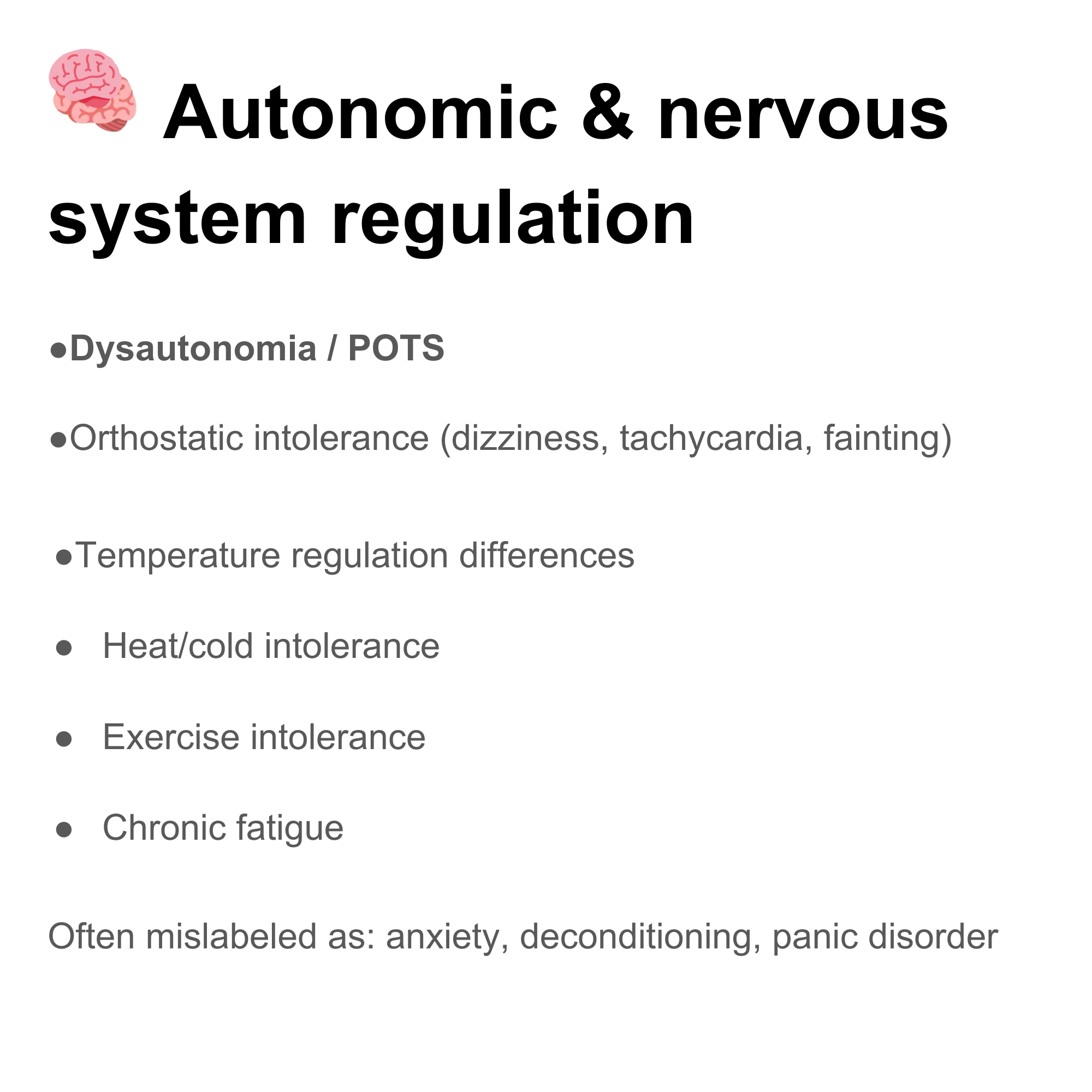
Many autistic adults experience long-standing nervous system dysregulation.
Common areas to assess include:
Orthostatic intolerance (lightheadedness when standing)
Resting tachycardia or exaggerated stress responses
Blood pressure variability
Heat intolerance or unexplained fatigue
Why it matters:
Years of chronic sympathetic activation—often from masking, sensory overload, or trauma—can impact cardiovascular health and energy regulation.
2. Gastrointestinal Disorders
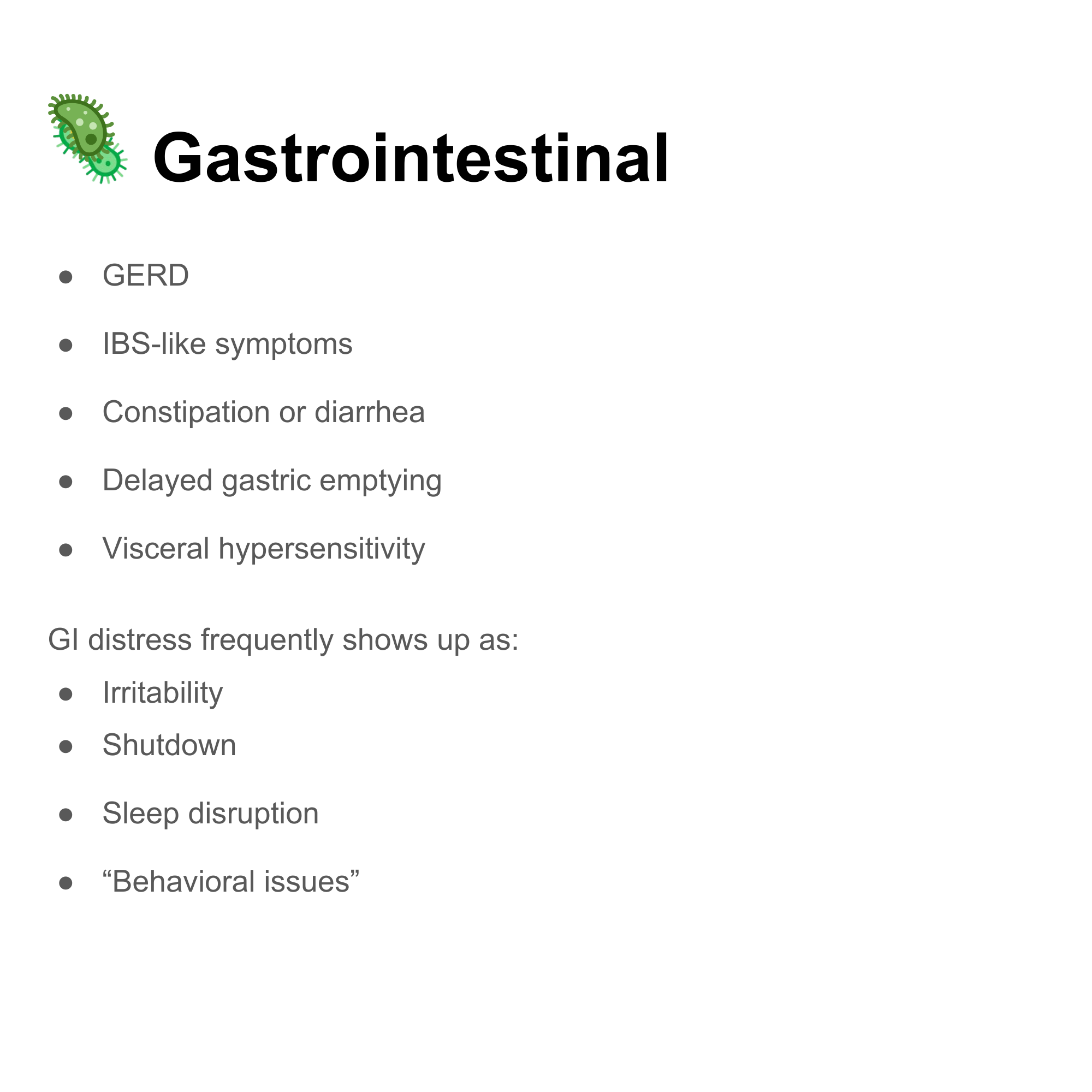
GI issues are extremely common in autistic adults and often under-treated.
Screening should include:
Irritable bowel syndrome (especially constipation-predominant)
GERD or silent reflux
Food intolerances or restrictive eating patterns
Chronic abdominal pain or bloating
Why it matters:
Gut discomfort significantly worsens anxiety, sleep, and executive functioning—and autistic adults often delay reporting symptoms due to interoceptive differences.
3. Sleep Disorders
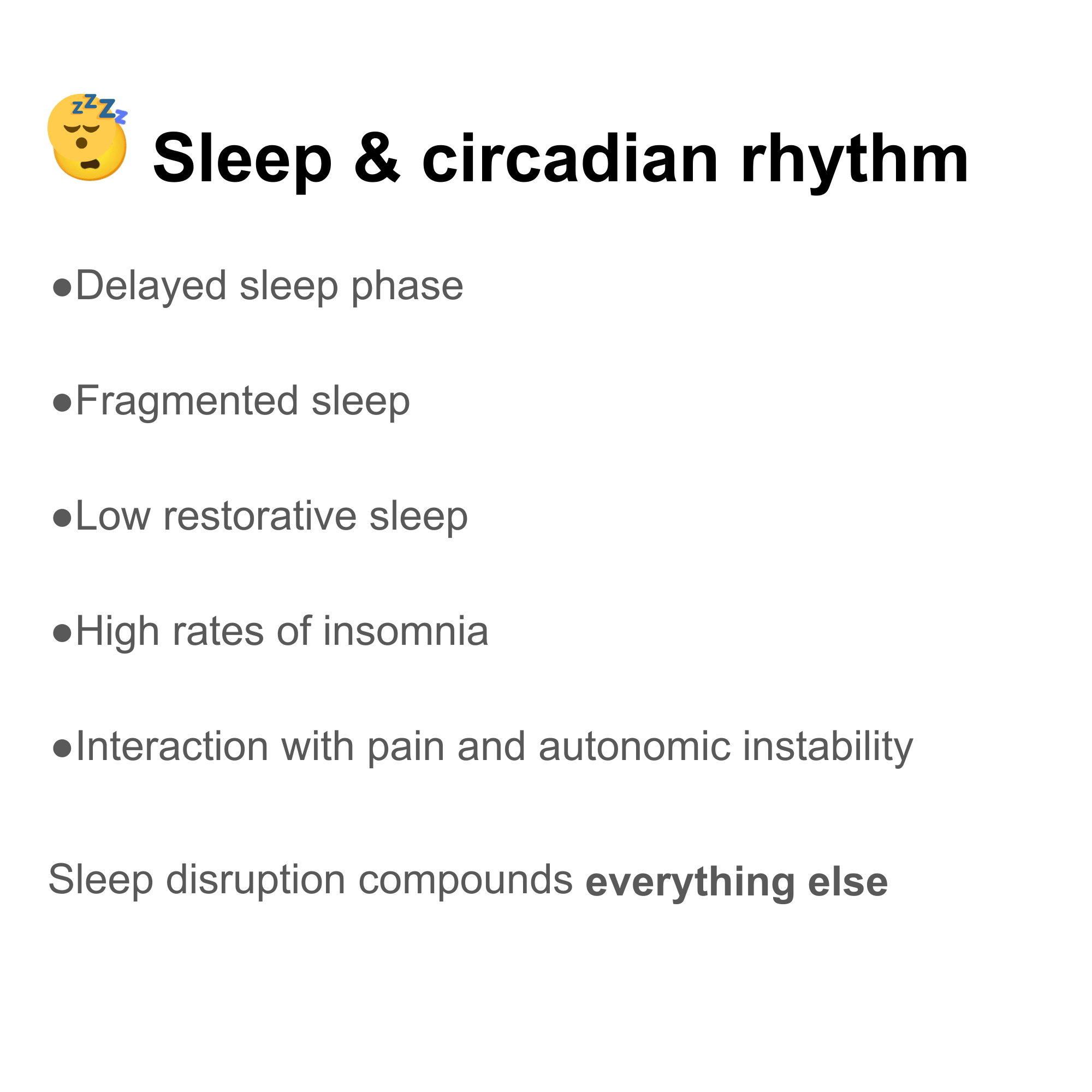
Sleep problems are often lifelong and not simply “stress related.”
Consider evaluation for:
Insomnia (difficulty initiating or maintaining sleep)
Delayed sleep phase syndrome
Sleep apnea (especially with fatigue or snoring)
Restless legs syndrome
Non-restorative sleep
Why it matters:
Poor sleep amplifies pain, emotional regulation challenges, and cognitive fatigue.
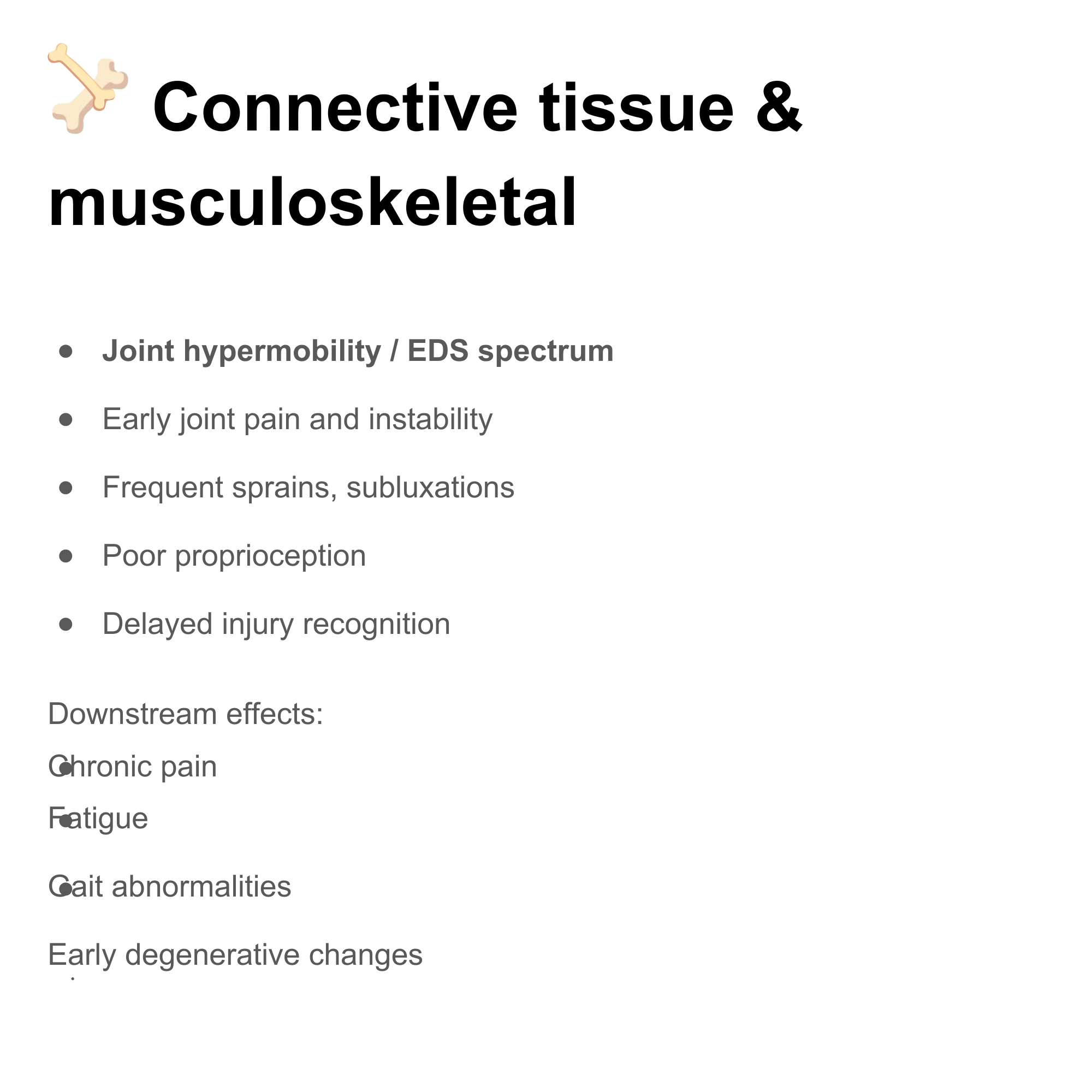
4. Chronic Pain & Musculoskeletal Conditions
Pain is frequently dismissed or minimized.
Common concerns include:
Chronic neck, back, or joint pain
TMJ or jaw clenching
Hypermobility spectrum traits
Fibromyalgia-like pain patterns
Repetitive strain injuries
Why it matters:
Motor planning differences, muscle guarding, and connective tissue differences are more common in autistic adults.
5. Neurological Conditions
Neurological vulnerability can be subtle but impactful.
Assessment may include screening for:
Migraine (including vestibular or “silent” migraine)
Seizure activity (including focal or absence-like episodes)
History of head injuries or concussions
Sensory-triggered headaches
Why it matters:
Communication differences can mask symptom reporting, delaying diagnosis.
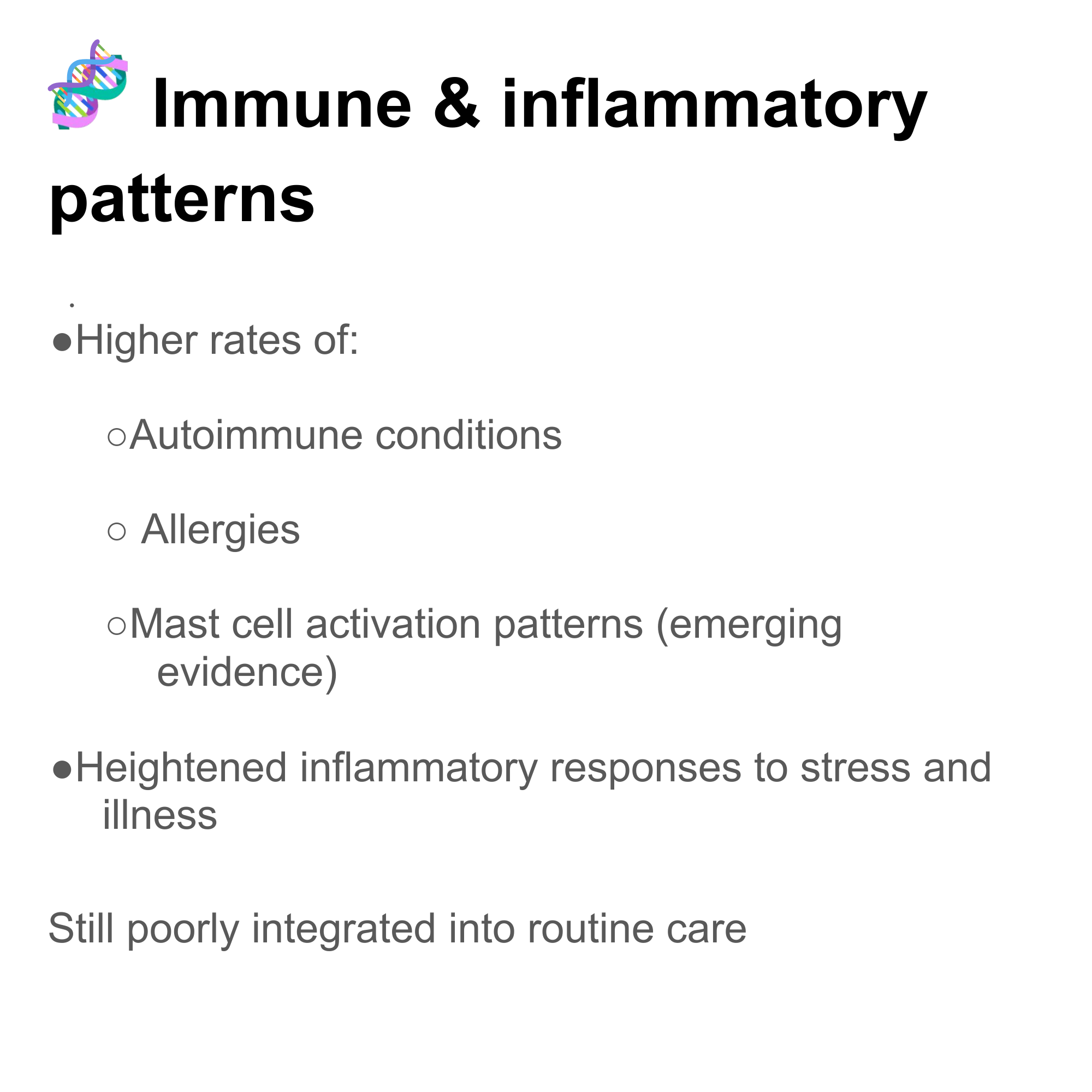
6. Endocrine & Metabolic Health
Chronic stress physiology affects long-term health.
Important labs and evaluations often include:
Thyroid function
Insulin resistance or metabolic syndrome
Vitamin D levels
Iron studies (even without anemia)
Cortisol dysregulation patterns
Why it matters:
Burnout, fatigue, and brain fog are frequently misattributed to depression alone.
7. Mental Health Conditions (Autism-Informed Interpretation)
Screening is important—but interpretation matters.
Common comorbidities include:
Anxiety disorders
Depression with atypical presentation
PTSD or complex trauma
ADHD
OCD-like traits vs true OCD
Why it matters:
Symptoms often look different in autistic adults and may not respond to standard treatment without autism-informed care.
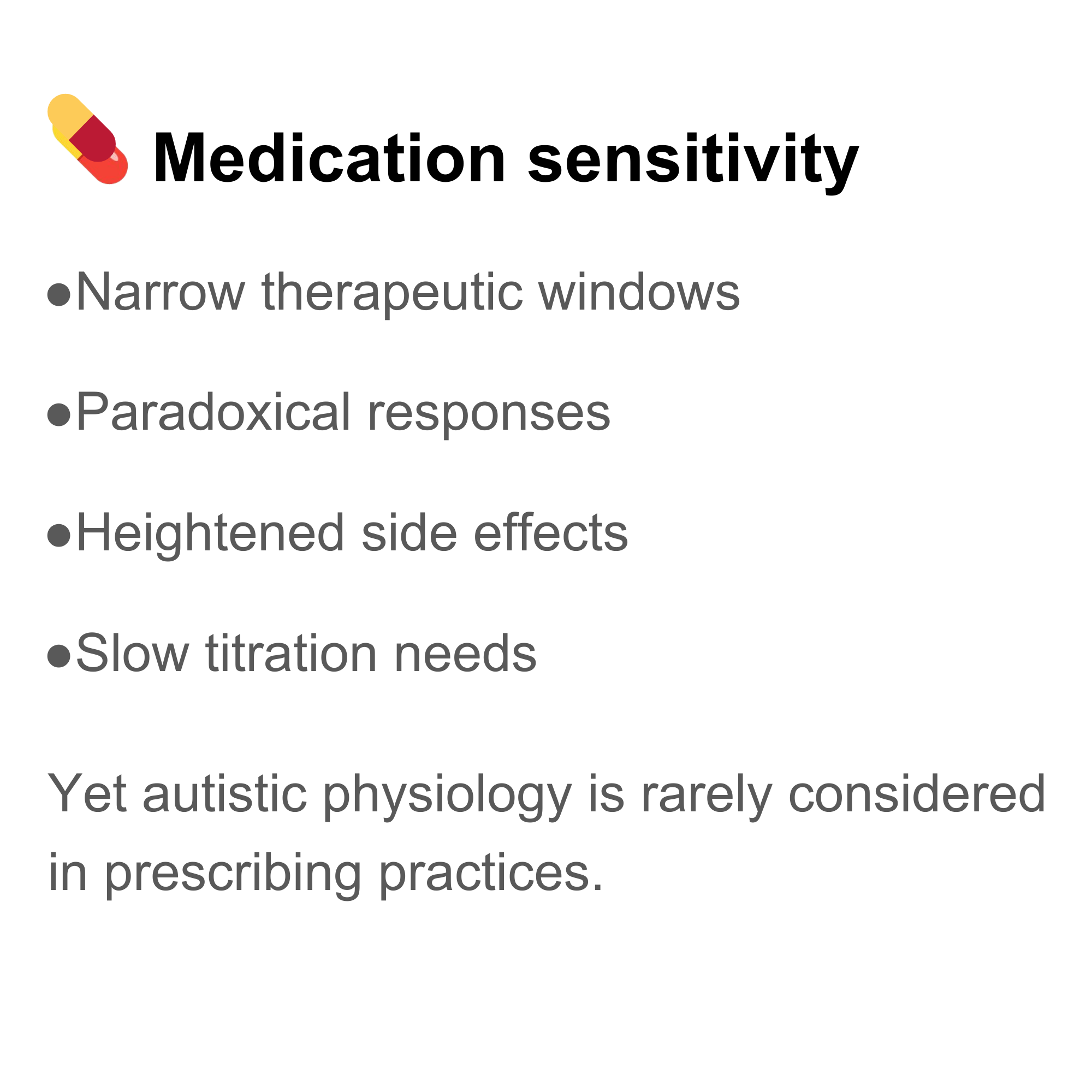
8. Medication Sensitivity & Side Effects
This area is frequently overlooked.
Clinicians should review:
Paradoxical reactions to SSRIs or stimulants
Heightened side effects at low doses
History of multiple failed medication trials
Adherence challenges related to routine or sensory issues
Why it matters:
Autistic nervous systems often metabolize or respond to medications differently.
9. Sensory Health & Interoception
Sensory factors directly affect medical outcomes.
Areas to explore include:
Light or sound sensitivity contributing to headaches or nausea
Shutdowns or avoidance behaviors related to sensory overload
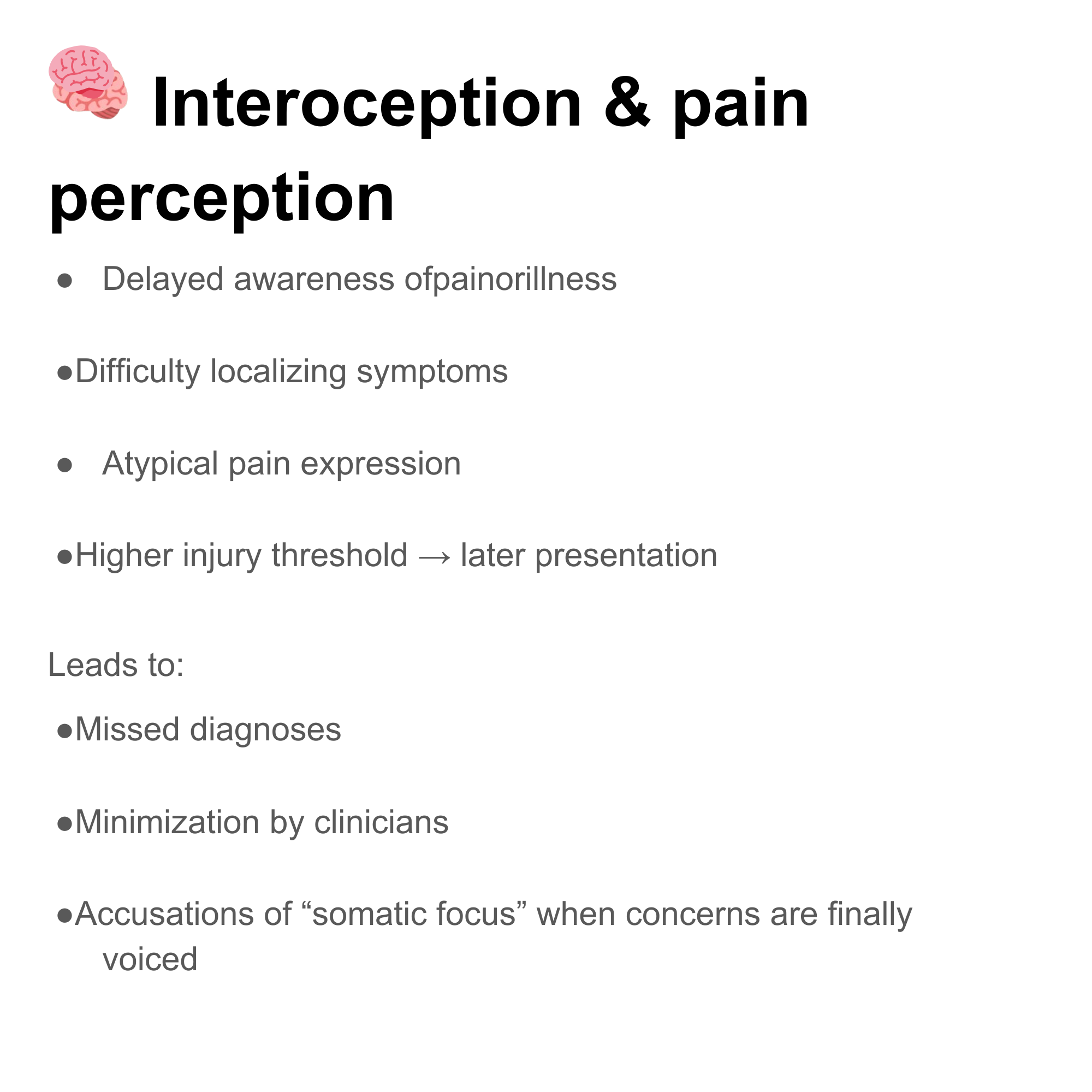
Difficulty noticing hunger, pain, or illness
Avoidance of medical care due to sensory distress
Why it matters:
These issues are often mislabeled as “noncompliance” or anxiety.
10. Autistic Burnout & Long-Term Stress Effects
Burnout is not depression—and requires different care.
Screening may include:
Loss of skills or tolerance under stress
Immune dysregulation or frequent illness
Cognitive fatigue
Reduced resilience after years of overextension
Why it matters:
Many late-diagnosed adults have spent decades overriding their nervous systems to survive.
A Key Takeaway for Adults and Clinicians
A later-in-life autism diagnosis should not be the end of the conversation—it should be the beginning of more accurate, compassionate medical care.
Autism-informed screening helps differentiate what is neurological, what is medical, and what has been shaped by years of adaptation without support.